



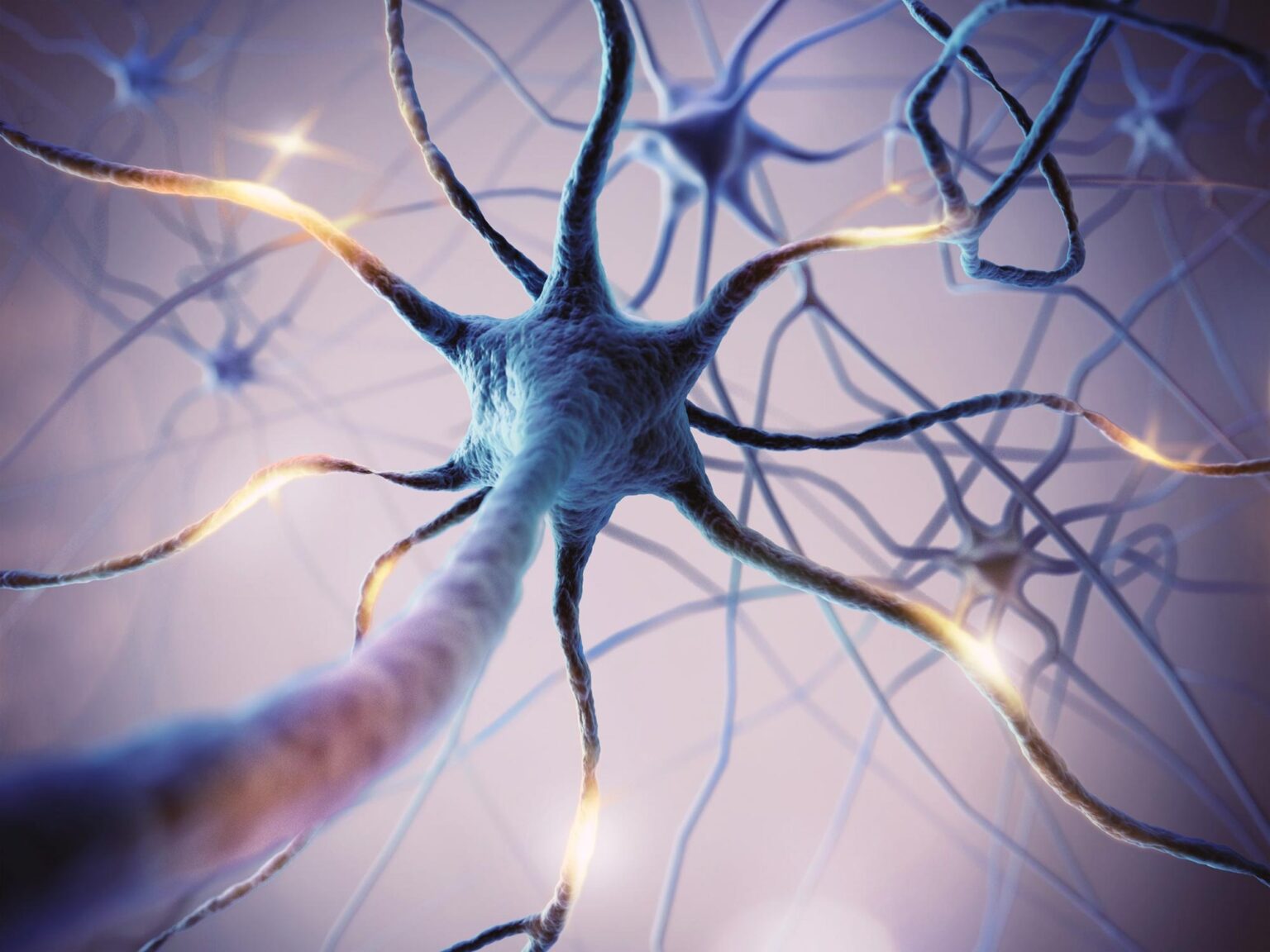
The SYNGAP1 gene encodes a protein that regulates the strength of synapses, the connections between brain cells. Recent experiments in mice reveal that the protein may also function as a scaffolding protein, directing where and what brain proteins are at synapses, independent of its enzyme activity.
Synaptic Protein Function
SYNGAP1 is a large, multifunctional protein that is crucial for normal brain development and function. It is primarily localized at excitatory synapses, where it plays a key role in regulating synaptic strength and plasticity.
Enzyme Activity and Synaptic Regulation
The enzyme activity of SYNGAP1 is well-established, as it acts as a negative regulator of the Ras/ERK signaling pathway, which is important for synaptic strengthening and learning and memory processes. However, the new study suggests that SYNGAP1 may have additional roles beyond its enzymatic function.
Scaffolding and Protein Localization
The researchers found that SYNGAP1 can act as a scaffolding protein, organizing the localization of other synaptic proteins, even when its enzyme activity is inhibited. This suggests that SYNGAP1 may have a structural role in maintaining the proper composition and organization of the synaptic proteome, independent of its regulatory effects on Ras/ERK signaling.