



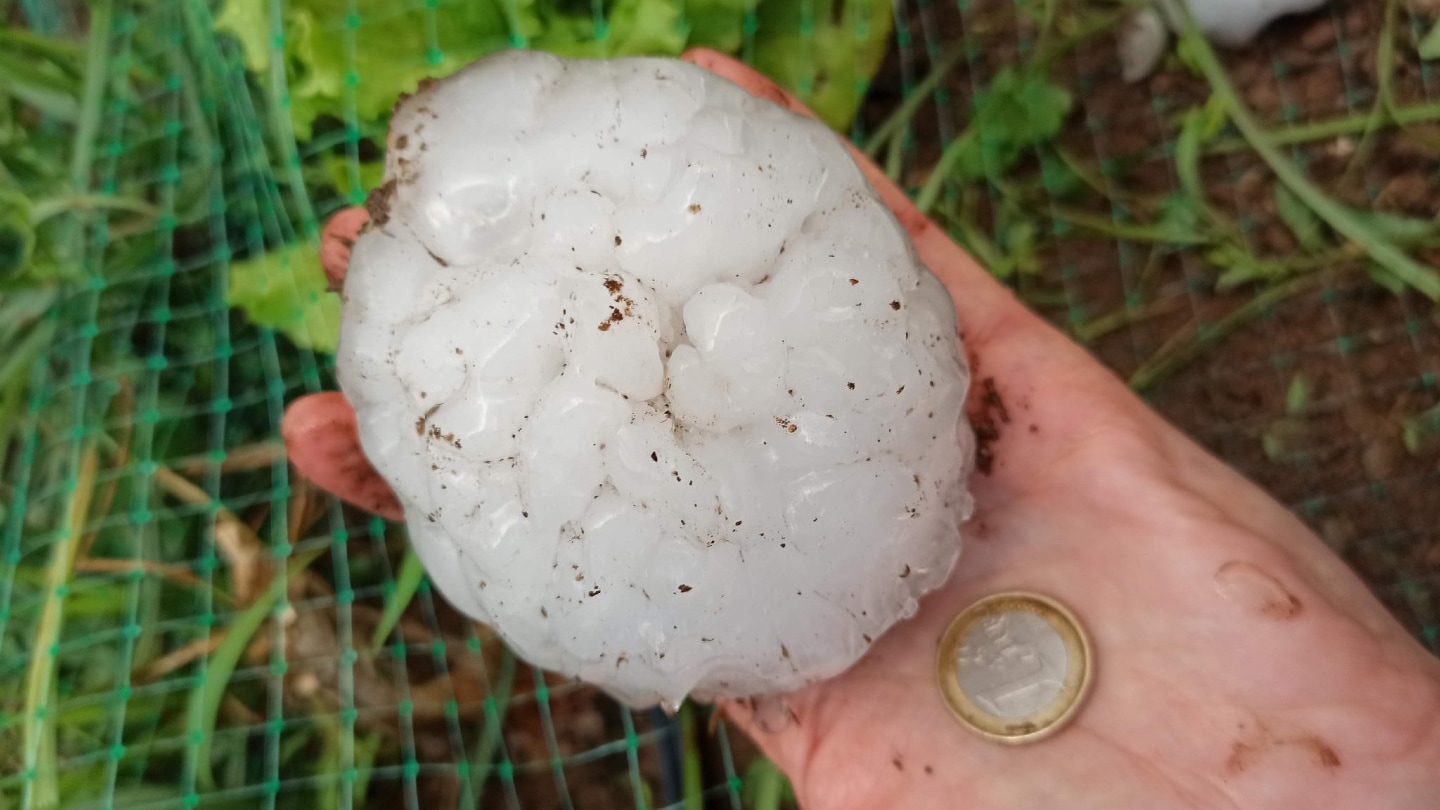
A recent study published in the journal Geophysical Research Letters has revealed that a marine heat wave, fueled by climate change, played a significant role in creating the deadly, record-breaking hailstorm that hit northeastern Spain in August 2022.
The study found that the marine heat wave, which occurred in the Mediterranean Sea, contributed to the formation of an intense low-pressure system that brought the hailstorm to the region. The hailstones, some of which were larger than baseballs, caused widespread damage and resulted in the deaths of at least three people.
Impact of Climate Change on Extreme Weather Events
The researchers note that this event is a stark example of how climate change can exacerbate the intensity and frequency of extreme weather phenomena. As the planet continues to warm, the likelihood of such devastating hailstorms and other severe weather events is expected to increase.
Role of Marine Heat Waves
The study highlights the importance of understanding the complex interactions between ocean and atmospheric processes in the context of climate change. The marine heat wave in the Mediterranean Sea provided the necessary energy and moisture to fuel the development of the intense low-pressure system that led to the record-breaking hailstorm.
Implications for the Future
The findings of this study underscore the need for continued research and preparation to mitigate the impacts of climate change-driven extreme weather events. Policymakers, emergency management officials, and communities must work together to develop strategies to protect lives and property from such devastating storms.