


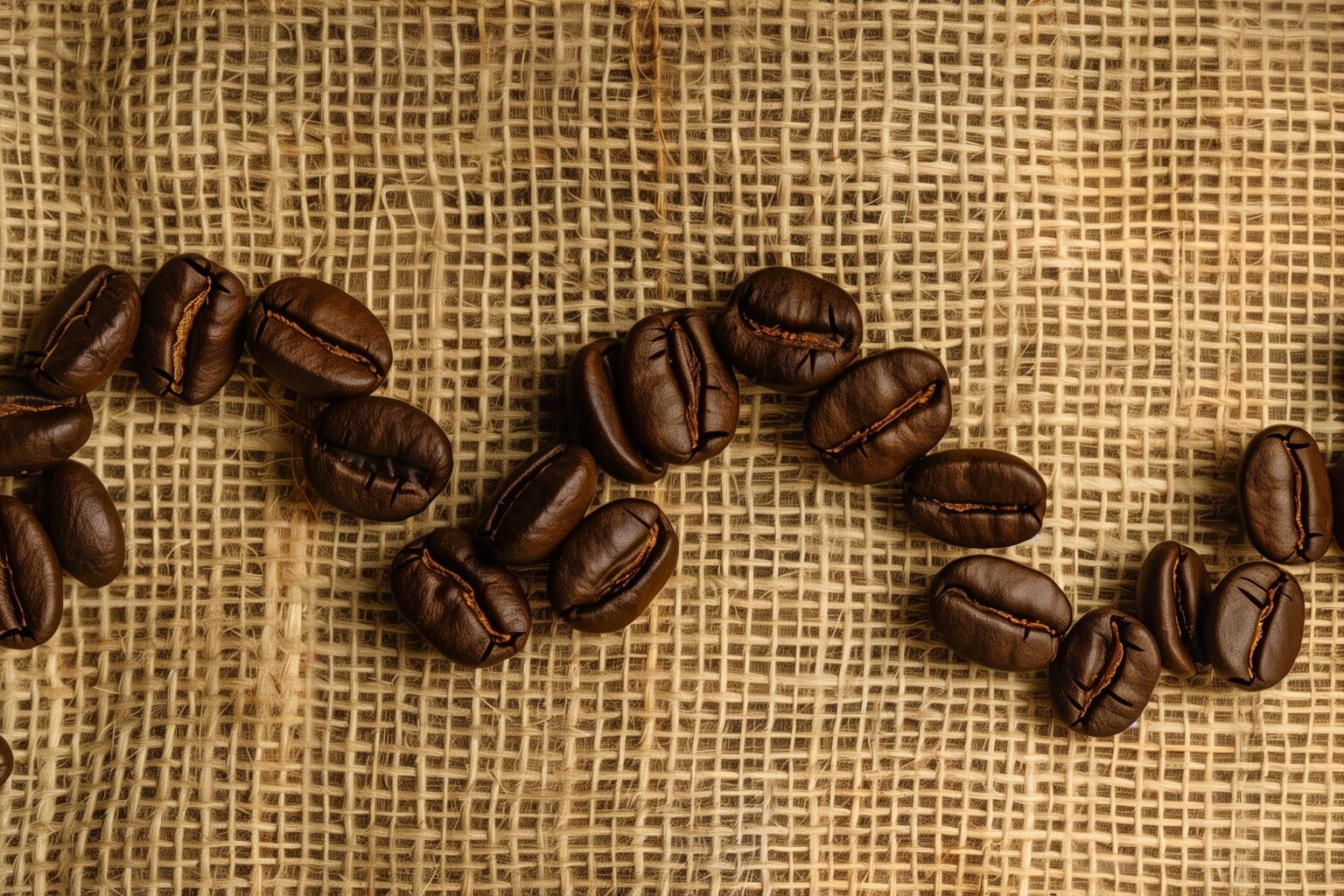
Arabica coffee, which accounts for 60% of the world’s coffee production, is particularly vulnerable to climate change and diseases like coffee leaf rust, which has caused significant economic losses in Latin America. The new genome data will enable researchers to identify genes responsible for coffee’s resistance to rust and other diseases, as well as other desirable traits such as drought resilience, better crop yield, and more aromatic coffee beans.
The research revealed that Arabica originated from a chance event 350,000 to 610,000 years ago when the Robusta and C. eugenioides plants were naturally cross-pollinated, creating the first Arabica plants in the wild. However, during its widespread cultivation, Arabica may have lost its resistance to coffee leaf rust, making it more susceptible to the disease. The new genome data will help breeders develop more resilient Arabica plants by utilizing other related coffee species, such as Robusta and C. eugenioides, in future breeding programs.