



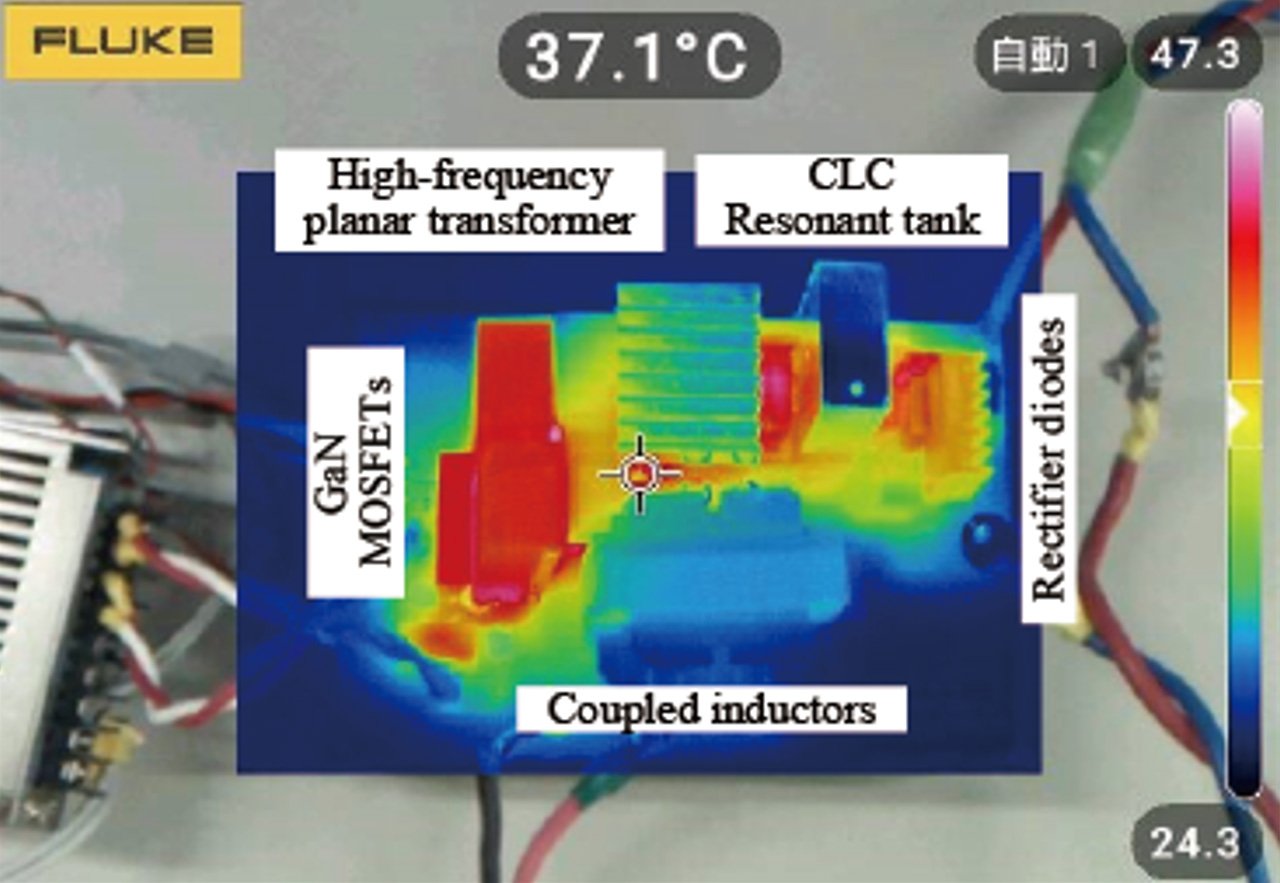
In a groundbreaking development, Japanese scientists from Kobe University have unveiled a high-boost and high-efficiency DC power converter that promises to revolutionize the energy sector. This new electrical power converter design achieves a much higher efficiency at lower cost and maintenance than previous models, making it a game-changer for sustainable energy solutions.
Key Features and Advantages
The new DC power converter boasts several key features that set it apart from existing technologies:
- High Boost Capability: The converter is capable of achieving a high boost ratio, allowing it to efficiently step up lower DC voltages to higher levels required by various applications.
- Exceptional Efficiency: The innovative design of the converter enables it to maintain a remarkably high efficiency, typically exceeding 98%, across a wide range of operating conditions.
- Reduced Cost and Maintenance: Compared to traditional power converters, this new design is less complex and requires less maintenance, resulting in significant cost savings for users.
Potential Applications and Impact
The high-boost, high-efficiency DC power converter developed by the Kobe University team has the potential to revolutionize various sectors, including:
- Renewable Energy: The converter can be seamlessly integrated with solar photovoltaic systems, wind turbines, and other renewable energy sources, optimizing the conversion of clean energy for efficient utilization.
- Electric Vehicles: The converter’s capabilities make it an ideal choice for electric vehicles, where it can help improve the driving range and overall energy efficiency of the powertrain.
- Industrial and Commercial Applications: The converter’s versatility and performance advantages make it suitable for a wide range of industrial and commercial applications, from power grids to data centers, where reliable and efficient power conversion is of utmost importance.
Conclusion
The development of this high-boost and high-efficiency DC power converter by the Japanese scientists at Kobe University represents a significant breakthrough in the field of electrical power conversion. With its exceptional performance, cost-effectiveness, and potential for transformative applications, this innovation is poised to have a profound impact on the future of sustainable energy solutions and the overall energy landscape.