


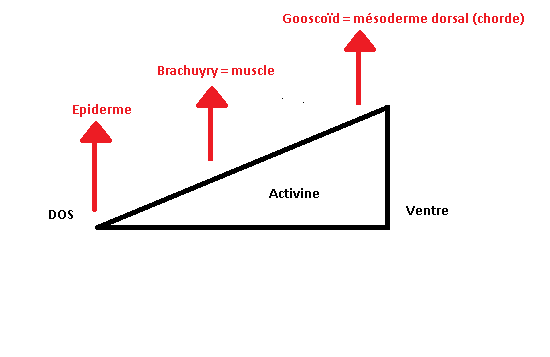
Researchers from Osaka University have identified a subset of cells called osteoclastogenic fibroblasts that are responsible for triggering bone erosion in cholesteatomas. These fibroblasts express an abundant amount of activin A, a molecule that regulates different physiologic functions of the body. The presence of activin A is said to cause bone erosion through a process in which specialized cells initiate bone resorption, breaking down and absorbing the minerals and matrix of the bones.
The study, published in Nature Communications, demonstrated the relationship between activin A and bone erosion in cholesteatomas. The researchers successfully showed that targeting activin A is a potential treatment in the management of cholesteatomas.