



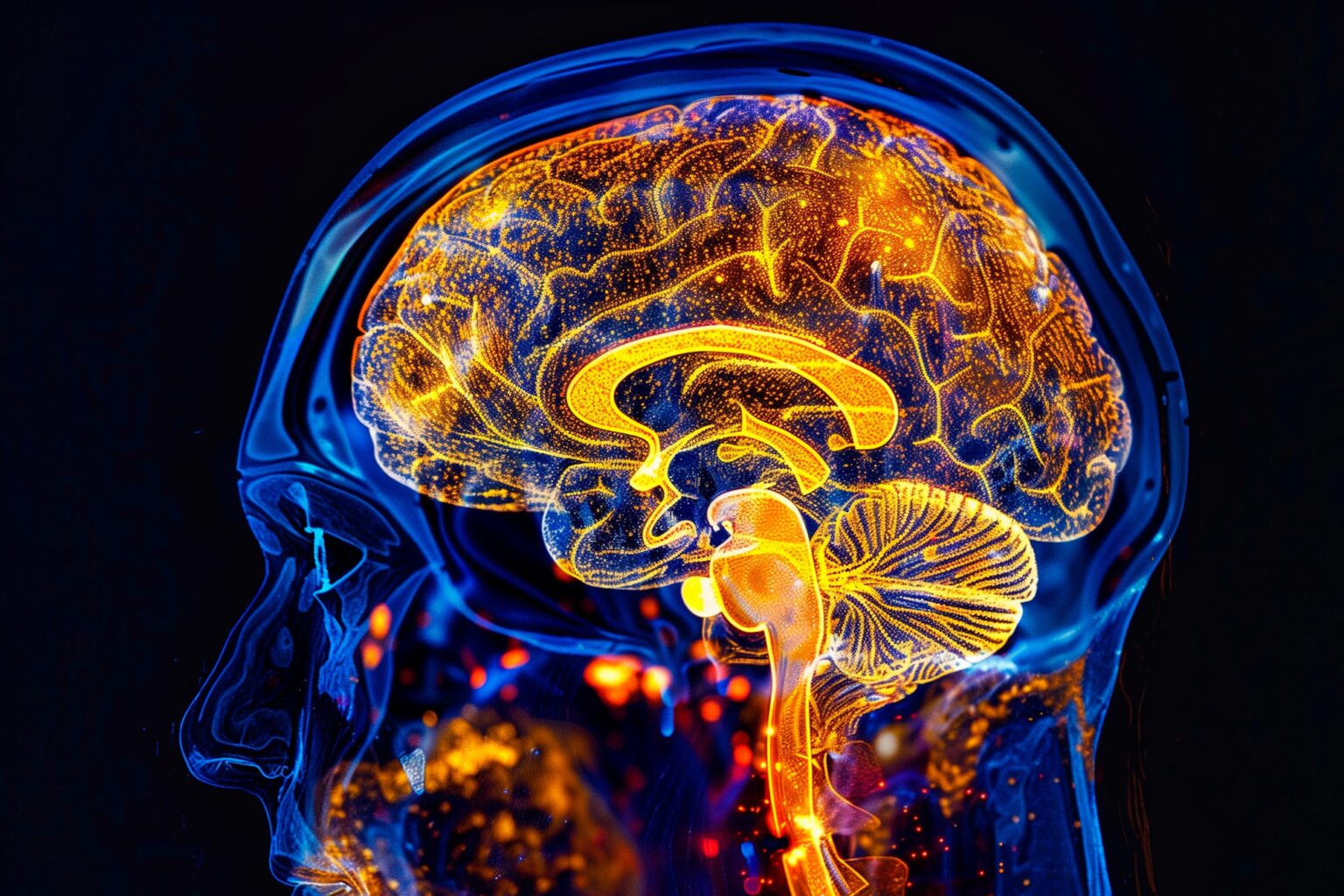
Calcium is a critical signaling molecule for most cells, and it is especially important in neurons. Imaging calcium in brain cells can reveal how neurons communicate with each other; however, current imaging techniques can only penetrate a few millimeters into the brain. The new MRI-based technique allows researchers to track signaling processes inside the neurons of living animals, enabling them to link neural activity with specific behaviors.
This new MRI-based technique has several advantages over traditional imaging methods. It can non-invasively monitor calcium signaling deep within the brain of living animals, even in regions that are difficult to access with other approaches. Additionally, the technique can be used to study calcium dynamics in specific neuronal populations or even individual neurons, providing a detailed view of how neural activity is coordinated during different behaviors.
By combining this powerful imaging capability with other neuroscience tools, researchers can gain important insights into how the brain processes information and generates complex behaviors. This knowledge could lead to a better understanding of neurological and psychiatric disorders, and potentially inform the development of new treatments.