



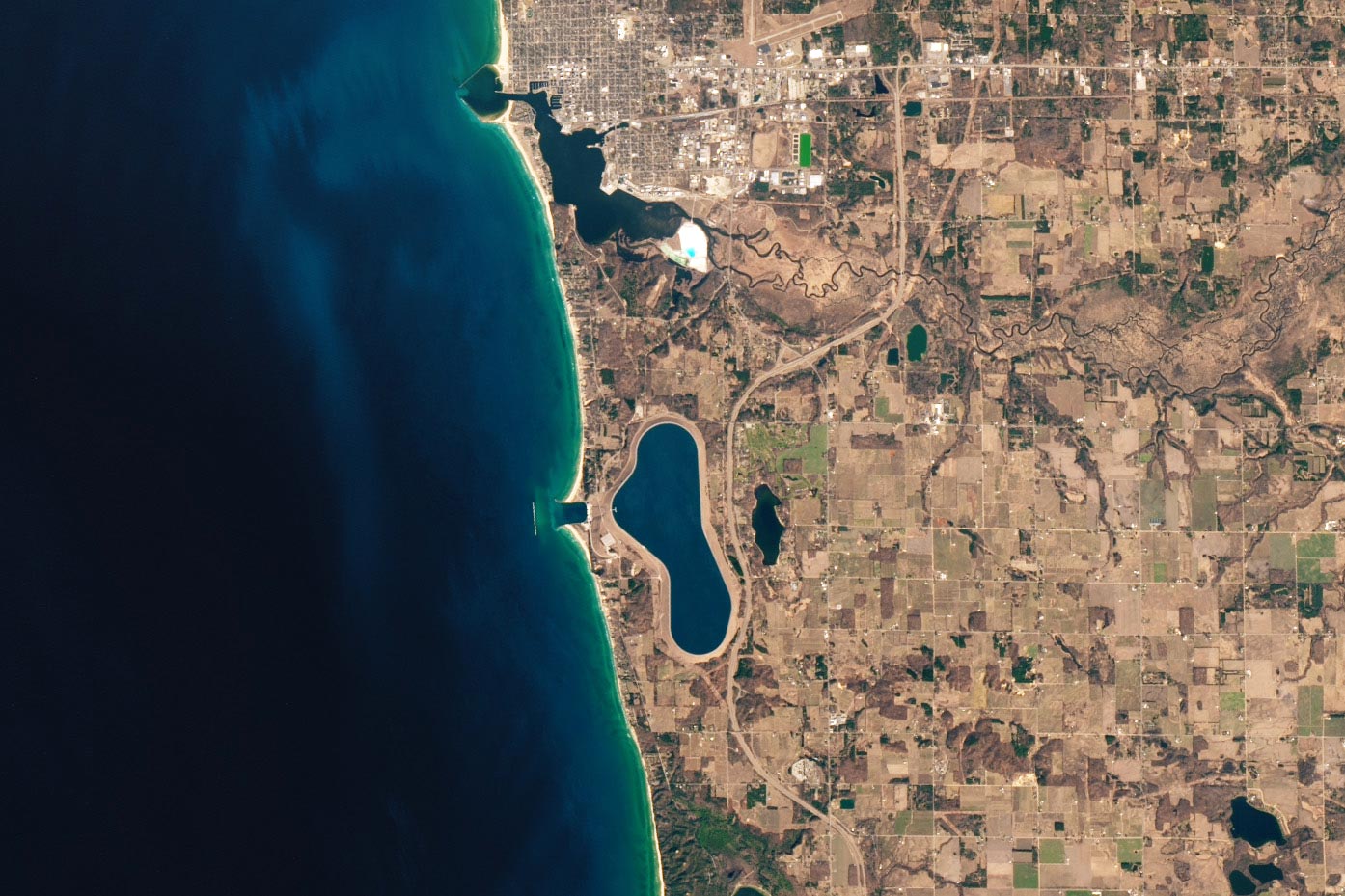
Hydropower has been a crucial part of the U.S. energy landscape for over a century, providing clean, renewable energy to millions of Americans. In 2019, hydropower capacity accounted for 6.7% of installed electricity generation capacity in the United States, and its generation represented 6.6% of all electricity generated and 38% of electricity from renewables produced in the United States.
The Role of Hydropower in the U.S. Energy Mix
Hydropower is a significant component of the U.S. energy portfolio, with a long history of providing reliable and sustainable electricity generation. The technology involves harnessing the power of flowing water to drive turbines, which in turn generate electricity. Hydropower plants are located throughout the country, taking advantage of the abundant water resources available in many regions.
Benefits of Hydropower
The benefits of hydropower are numerous and include its ability to provide a clean, renewable source of energy, its flexibility in meeting fluctuating electricity demands, and its potential for long-term, cost-effective operation. Hydropower is also a valuable contributor to the overall grid reliability and stability, as its rapid response capabilities can help balance the variability of other renewable energy sources, such as wind and solar.