

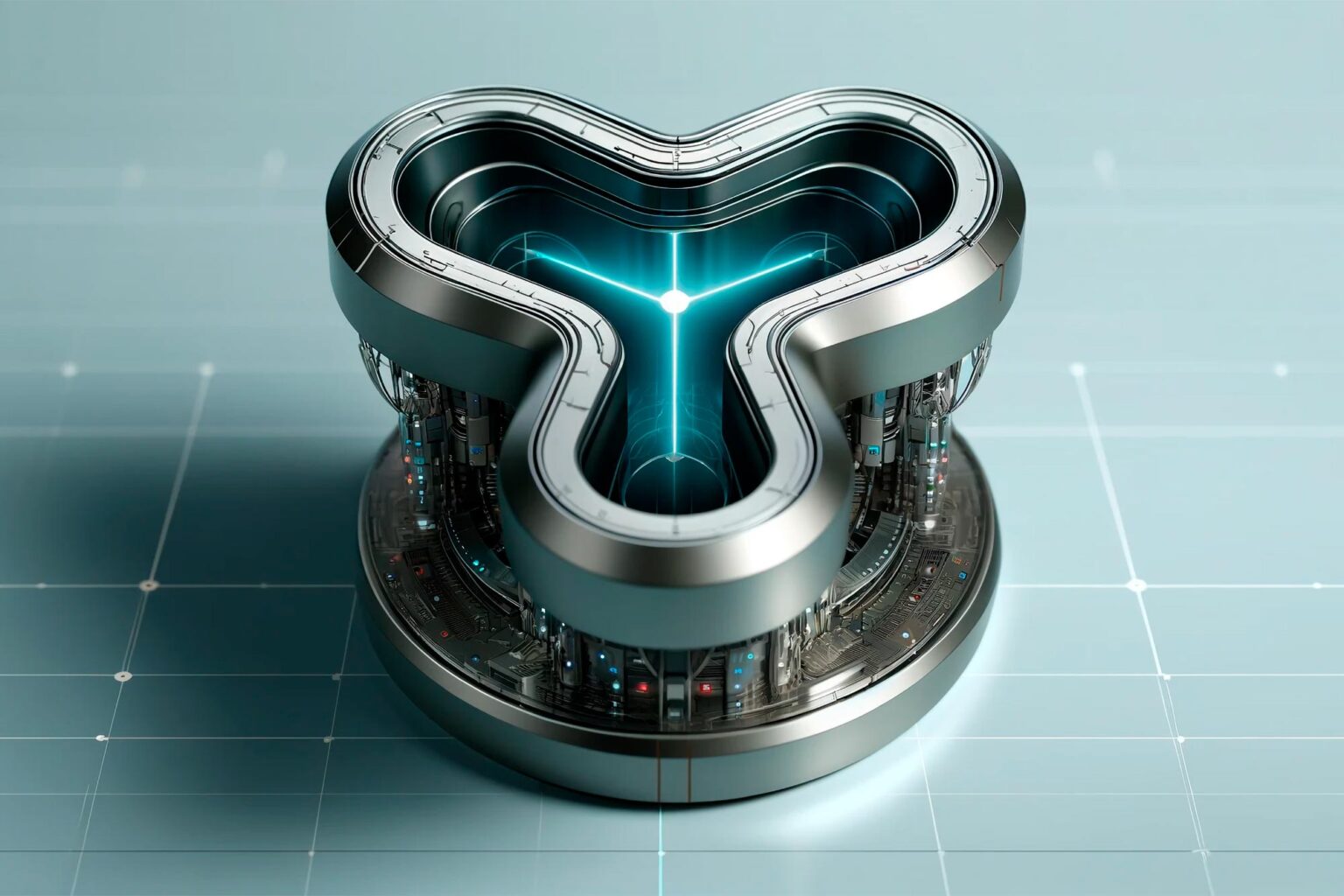
In a significant advancement for quantum computing, physicists from the University of Massachusetts Amherst have successfully adapted a device called a microwave circulator for use in quantum computers. This breakthrough allows for the precise tuning of the exact degree of nonreciprocity between a qubit, the fundamental unit of quantum computing, and a microwave-resonant cavity.
Precise Tuning of Nonreciprocity
The ability to precisely tune the nonreciprocity between a qubit and a microwave-resonant cavity is a crucial step forward in the development of practical quantum computers. This nonreciprocity, which refers to the difference in the transmission of microwave signals in opposite directions, is essential for isolating the qubit from external noise and maintaining its delicate quantum state.
Implications for Quantum Computing
This breakthrough has significant implications for the field of quantum computing. By enabling the precise control of nonreciprocity, researchers can now more effectively shield qubits from environmental noise, which is a major challenge in developing scalable and reliable quantum computers. This advancement brings us closer to realizing the full potential of quantum computing, which promises to revolutionize fields such as cryptography, materials science, and scientific simulations.