


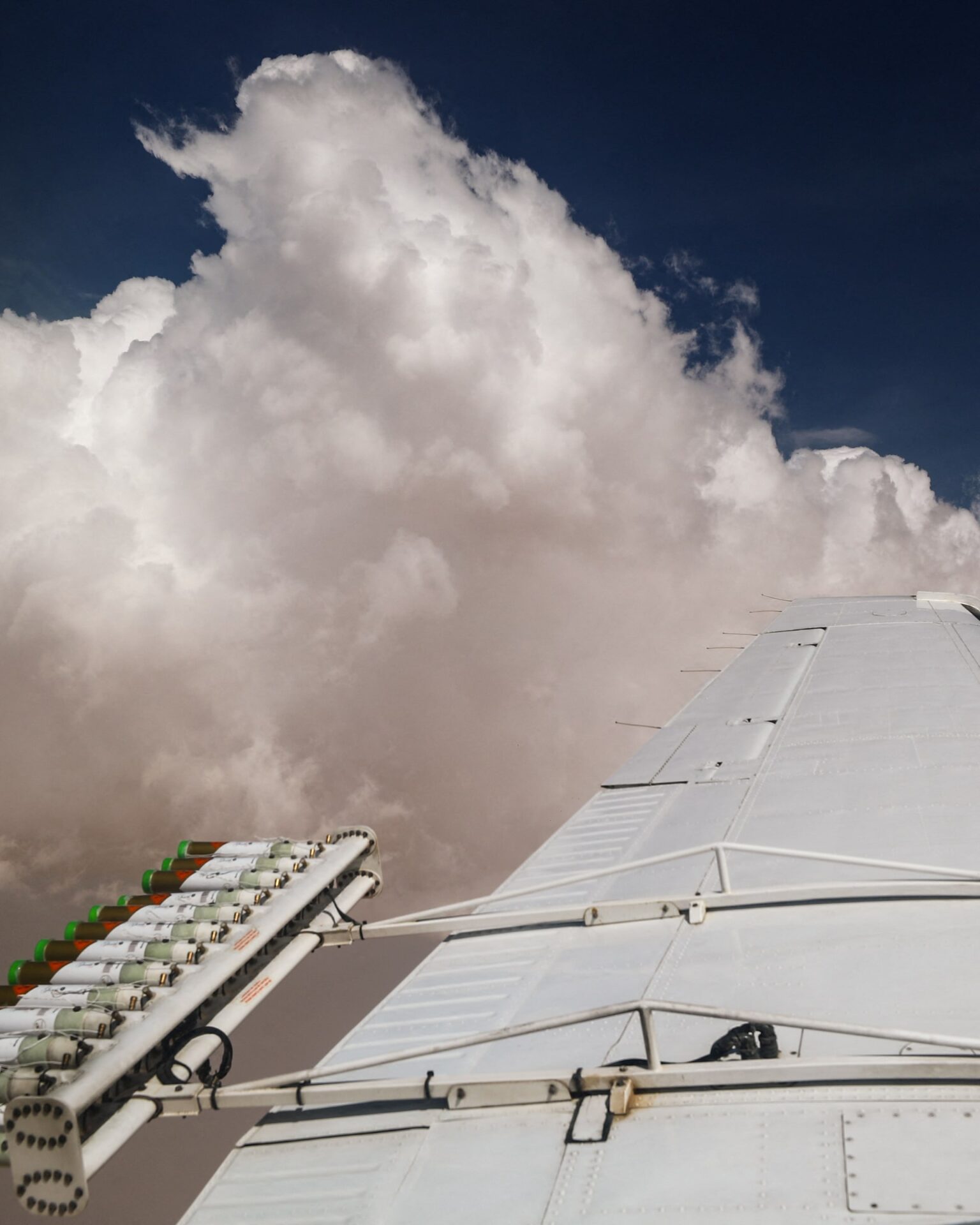
The UAE has been conducting cloud-seeding missions since the 1990s, making it one of the pioneers in the Middle East to adopt this technology. Cloud seeding involves introducing substances, often containing salt, into clouds to act as condensation nuclei and enhance precipitation rates. This method has been shown to increase seasonal precipitation by an estimated 5-25 percent, translating to an additional 168-838 million cubic meters of rainfall annually.
Innovative Approaches
The National Center of Meteorology (NCM) and the UAE Research Program for Rain Enhancement Science (UAEREP) have been instrumental in these efforts. The recent integration of AI into cloud-seeding operations is revolutionizing the precision and efficiency of these missions. AI algorithms analyze vast amounts of real-time weather data, enabling meteorologists to predict the best times and locations for cloud seeding. This data-driven approach allows for more targeted rainfall generation, ensuring that seeding materials are deployed in the most promising locations.