

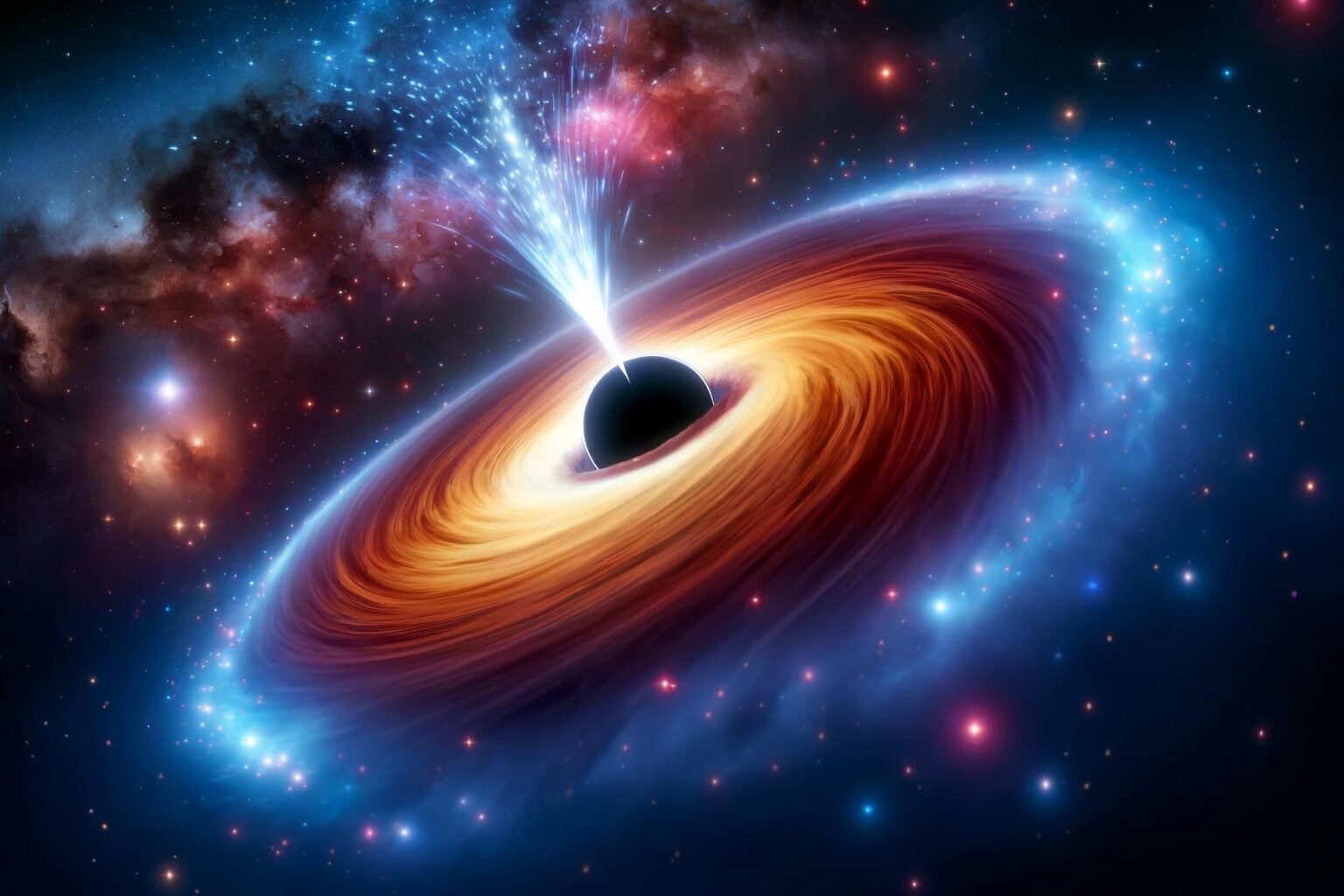
Tidal disruption events occur when a nearby star is torn apart by a black hole’s immense gravitational pull, releasing an enormous burst of energy across the electromagnetic spectrum. These events are typically detected through optical and X-ray bursts; however, this new study has revealed that TDEs can also generate infrared radiation, particularly in dusty galaxies where central black holes are enshrouded with galactic debris.
Detecting TDEs in the Infrared
By looking in the infrared band, researchers were able to detect many more TDEs in galaxies where these events were previously hidden due to obscuration from dust. Infrared emissions serve as a sign of tidal disruption events, allowing astronomers to expand their search beyond traditional bands.